Conflict Resolution Project Portfolio for Bill Warters
Bill Warters is a Quaker with a lifelong interest in peacemaking and conflict resolution. He is a facilitator for the Alternatives to Violence Project of Michigan, offering multi-day workshops in Michigan prisons and communities. He got his undergraduate degree in Conflict Resolution from the University of California at Santa Cruz, and his PhD in affiliation with the Program on the Analysis and Resolution of Conflicts at Syracuse University's Maxwell School of Citizenship and Public Affairs. While at Syracuse, Bill received a distinguished Guggenheim Research Fellowship for his work on ending men's violence toward women. Prior to his retirement, Dr. Warters was Director of the Master of Arts in Dispute Resolution program at Wayne State University in Detroit, Michigan, and before that he was director of the Ph.D. program in Conflict Analysis and Resolution at Nova Southeastern University in Fort Lauderdale. An expert in building volunteer mediation services, Bill is author of the book Mediation in the Campus Community: Designing and Managing Effective Programs with Jossey Bass Press. He was the developer of two federally-funded web clearinghouses for conflict resolvers working in educational settings, the most recent being CREducation.net. He currently serves as the Digital Communications Facilitator for Lake Erie Yearly Meeting of Friends (Quakers), and is Clerk of the Birmingham Friends Meeting in Royal Oak Michigan.
Some Background: By the time Bill arrived at Wayne State University in 1997 he had created and coordinated campus-based mediation and conflict resolution service centers on three different university campuses where he studied or worked. These experiences qualified him as an expert in the emerging field of campus mediation and dispute resolution programming. Some of his very early contributions in this area are noted below.
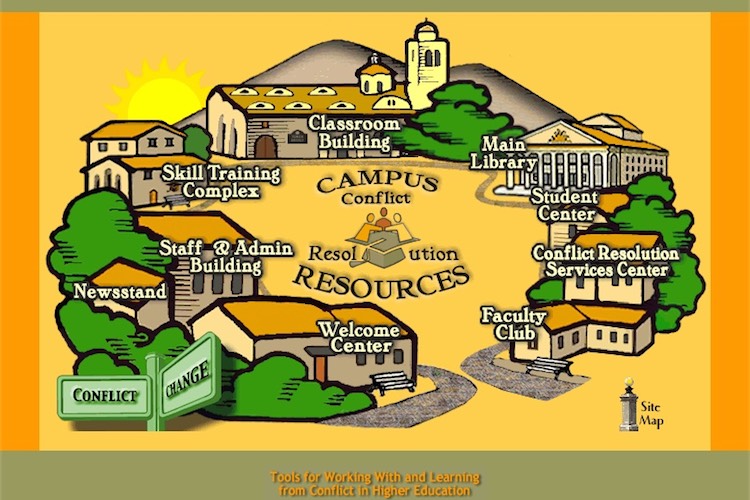
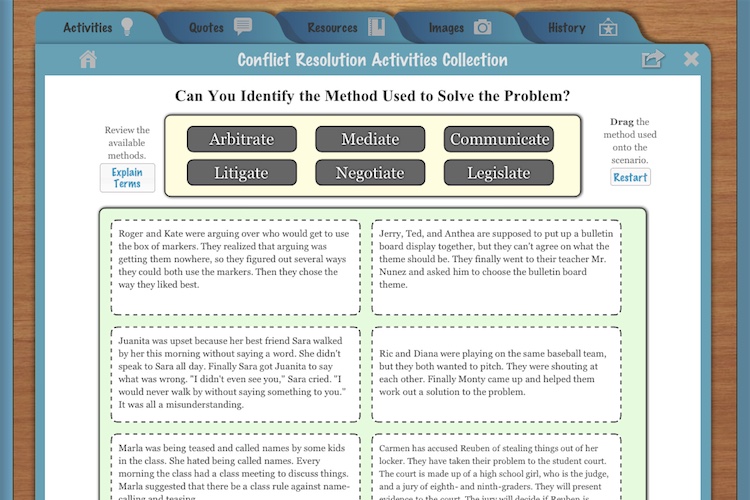
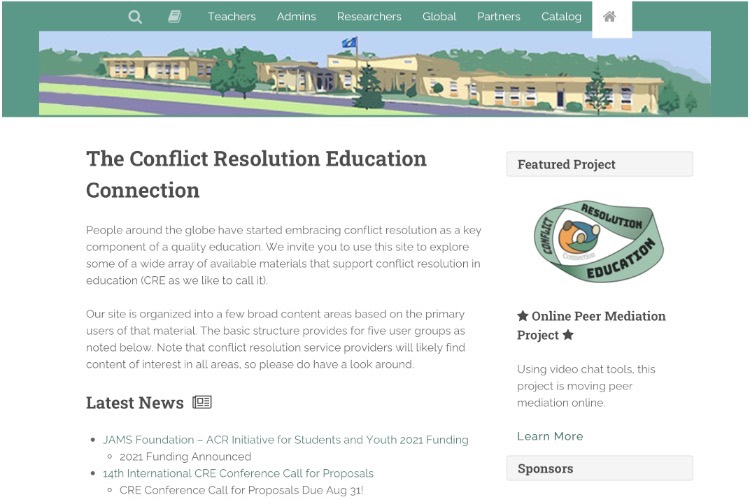
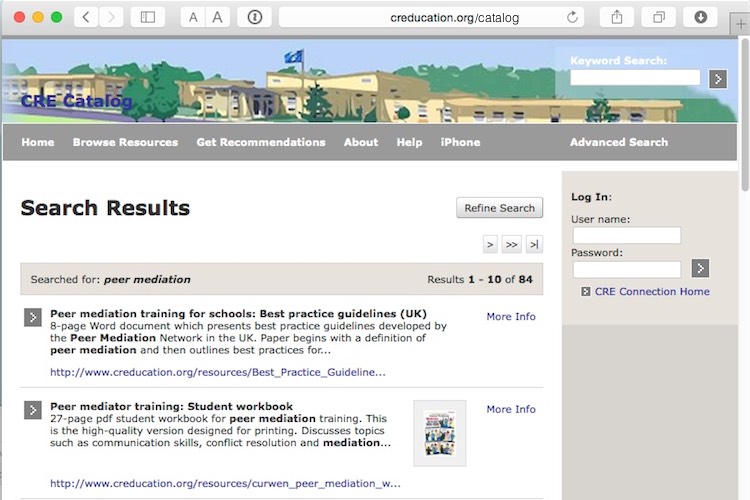
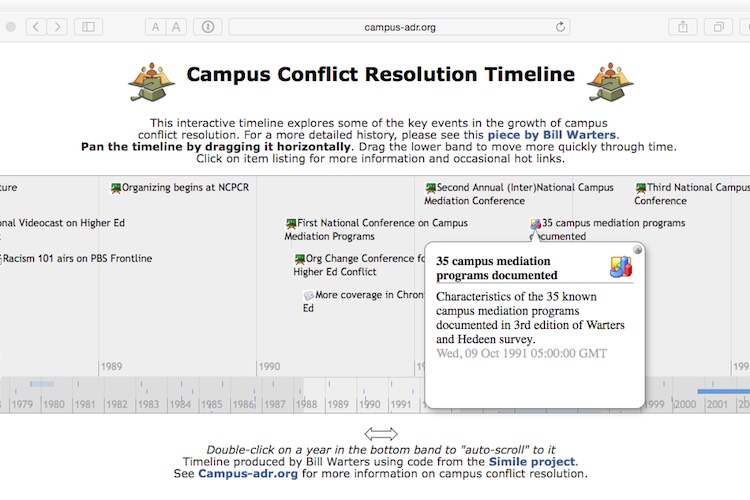
Bill probably should have been a librarian, given his longstanding interest in cataloging and sharing relevant resources and information using available tools. The internet provided many opportunities to curate and share specialized resources. Some of Bill's early projects are noted here. The fact that they are still online some 15 years later is rather amazing.
Bill developed an interest in web design and database management along the way, and the various projects displayed in the portfolio section below show some of his creativity in service to the peace and conflict resolution field
Dr. Warters has been recognized in a variety of ways for his distinguished service to the field.
Bill developed the Navigating Conflict in Quaker Meetings resource melding organizational conflict resolution assessment strategies with the use of good Quaker process for addressing differences within Friends Meetings.
Bill developed the Ohio Peace and Conflict Studies Network website supporting 19 Ohio colleges and universities with peace and conflict studies programs.
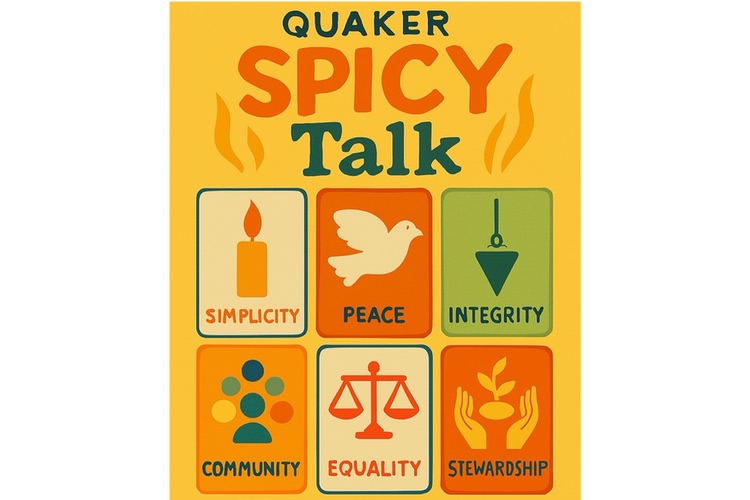
As part of an FGC workshop, Bill developed a set of Quaker Peacemaker Posters highlighting the many ways Friends work for peace.
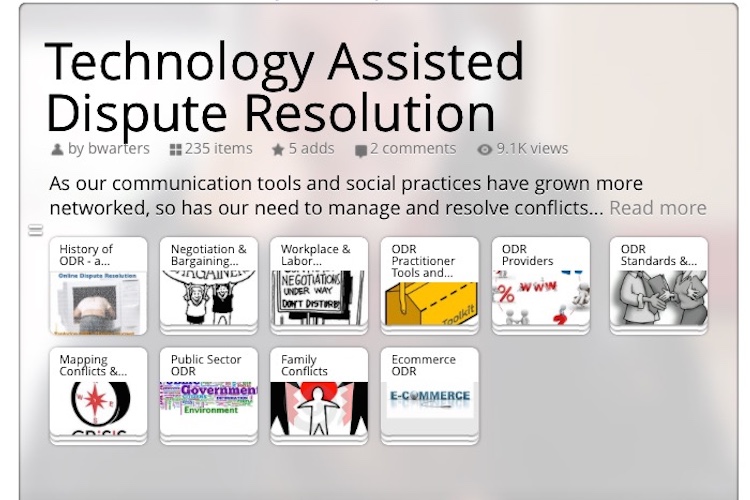
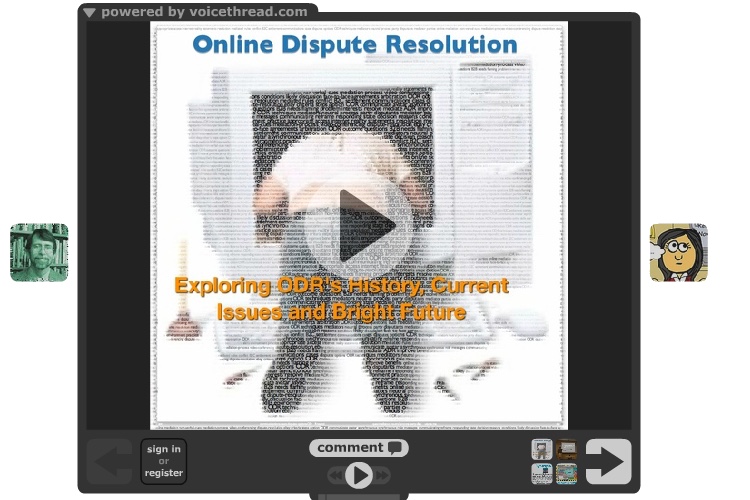
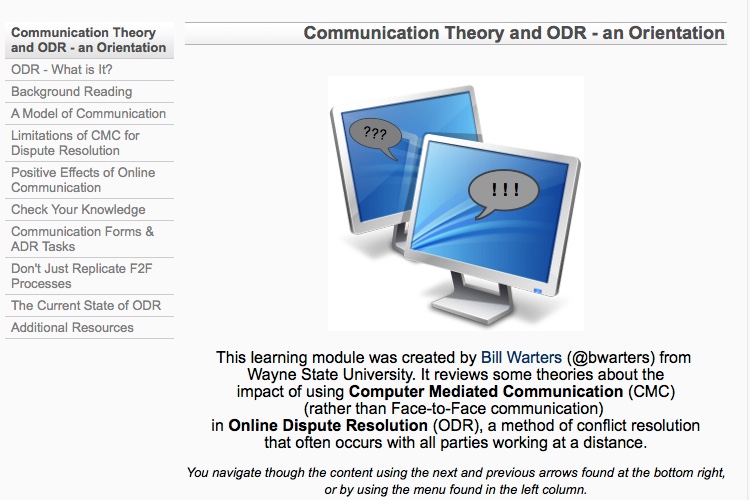
Bill developed a fully online course exploring CMC and the emerging fields of Online Dispute Resolution and Info Activism.
Working with the local schools, library and court system, Bill and his students developed the East Side Conflict Resolution Outreach (ESCRO) initiative on Metro Detroit's East Side.
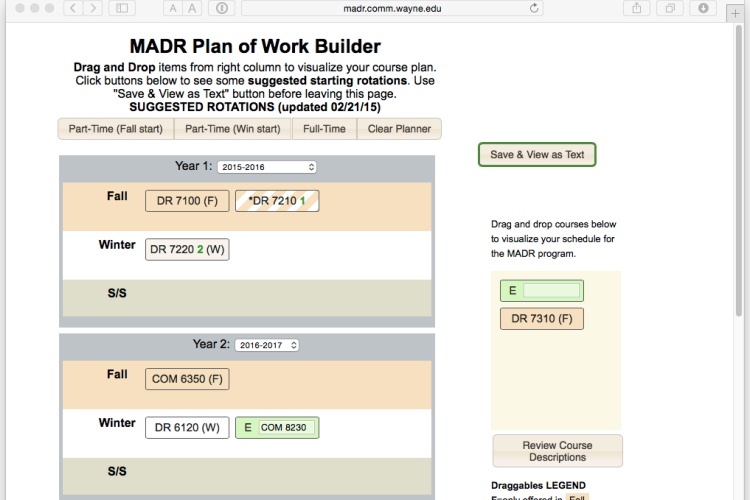
Bill was interviewed on the Texas Conflict Coach Blogtalk Radio program in August of 2014. He shared information on the MADR program he directs at Wayne State University.
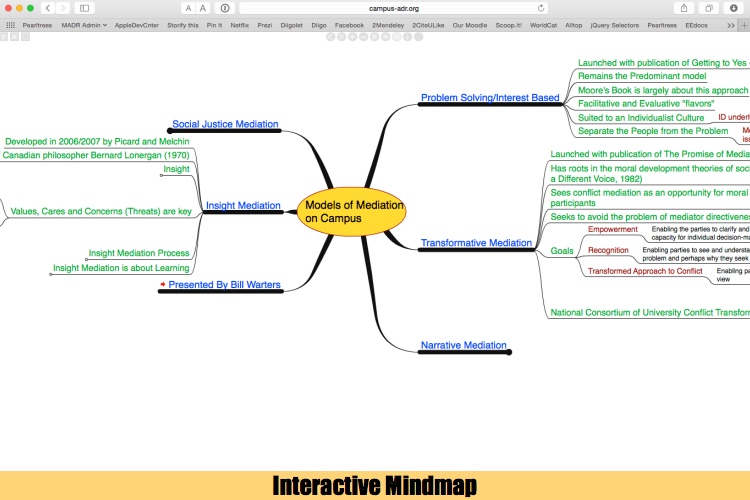
At the 2018 IIRP Annual Conference Bill presented a review of different theories about who can best intervene in social conflict. The slides are here.
At a recent annual meeting, Bill explored the history of Quakers as makers, and how 3d Printing and AI can help continue and extend the tradition. Slides are available here.
Using open access software, Bill created a site to promote free online sharing of conflict studies books.
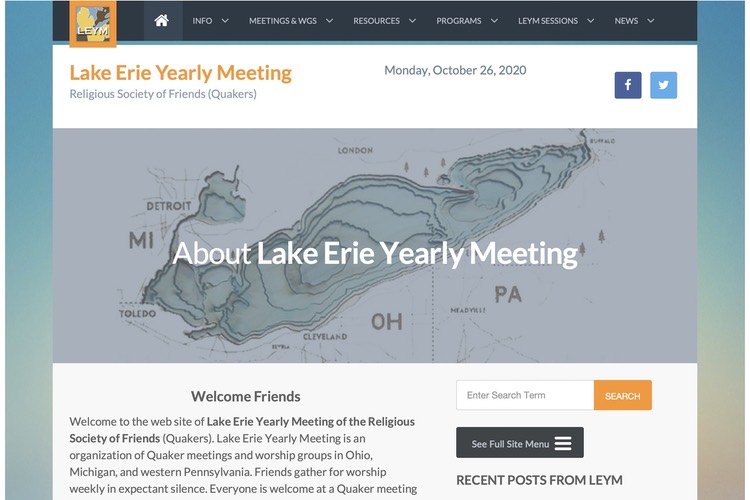
As webmaster for Lake Erie Yearly Meeting (Quakers) Bill organizes and hosts LEYM virtual annual sessions.
Building on the long history of Quakers working for peace, Bill put together an interactive timeline of sharing some Peace Testimony History.
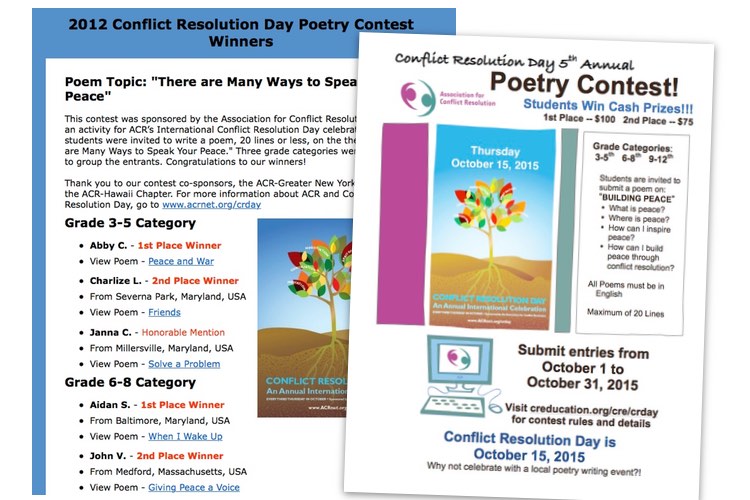
Bill was part of the national Conflict Resolution Day planning committee sponsored by the Association for Conflict Resolution. His CREducation.org website hosted an annual K-12 poetry contest on the theme.
The Association for Conflict Resolution's quarterly magazine featured Bill's article "Empowering Networked Individuals (and Practitioners) to Better Manage Conflict" in the Summer 2015 Issue on Looking to the Future.
Bill was part of a team that took Second Place at the first national Tech for Justice Hackathon held in June of 2014 at Code for America in San Francisco.
Combining scholarly and practical or creative projects is one hallmark of Bill's work. Below you'll find some examples. Click on an image for more information. You can filter the list using the topical buttons.